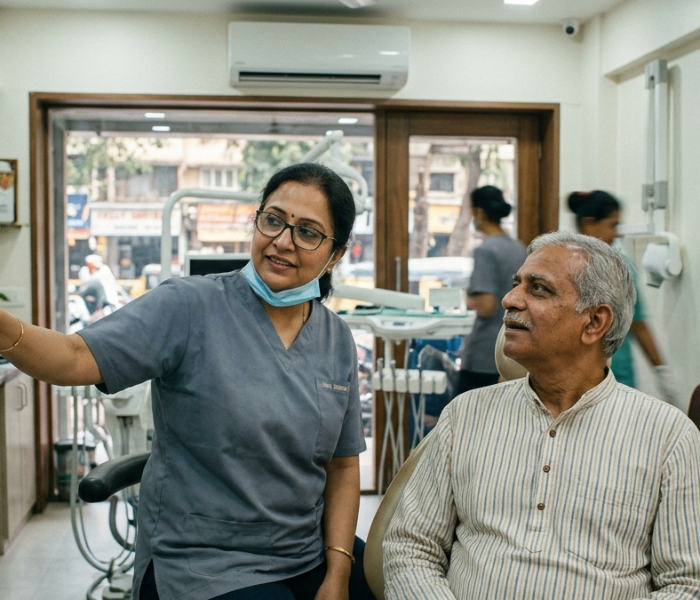
Dental checkups are more than just routine cleanings. They play a crucial role in preventing oral health problems before they become serious. During a checkup, your dentist will :
- Examine your teeth and gums for signs of decay or disease
- Remove plaque and tartar buildup
- Check for early signs of oral cancer
- Evaluate your overall oral hygiene habits
Many dental issues, such as cavities and gum disease, develop silently without noticeable. symptoms in the early stages. Regular visits help catch these problems early, saving you from pain, complex treatments, and higher costs later on.
The Standard Recommendation: Every Six Months
For most people, visiting the dentist every six months is a good rule of thumb. This schedule allows your dentist to monitor your oral health and address any issues before they worsen.
A six-month interval works well because:
- Plaque hardens into tartar within months and cannot be removed by brushing alone
- Early signs of gum disease can develop quickly without professional care
- Small cavities can be treated before they require more extensive procedures
However, this recommendation is not one-size-fits-all.
When You May Need More Frequent Visits
Some individuals may need to see their dentist more often—every 3 to 4 months—depending on their oral health condition and risk factors.
You may require more frequent checkups if you :
- Have a history of gum disease or periodontal issues
- Are prone to cavities or tooth decay
- Smoke or use tobacco products
- Have diabetes or other conditions that affect oral health
- Wear braces or other orthodontic appliances
- Have a weakened immune system
Frequent visits allow your dentist to closely monitor your condition and provide timely treatments to prevent complications.
When You Might Need Fewer Visits
On the other hand, some people with excellent oral health may not need to visit as often as every six months.
You might be able to extend your dental visits if you :
- Have strong, healthy teeth and gums
- Maintain excellent oral hygiene habits
- Have no history of cavities or gum disease
- Follow a balanced, low-sugar diet
Even in such cases, it’s important not to skip dental visits entirely. Your dentist can recommend a schedule tailored to your needs.
Signs You Should Visit the Dentist Sooner
Regardless of your regular schedule, certain symptoms should prompt an immediate dental visit:
- Tooth pain or sensitivity
- Bleeding or swollen gums
- Persistent bad breath
- Loose teeth
- Mouth sores that don’t heal
Ignoring these signs can lead to more serious problems, so it’s best to seek professional care as soon as possible.
The Role of Preventive Care
Preventive dentistry is the foundation of long-term oral health. Regular checkups, combined with proper at-home care, can significantly reduce your risk of dental issues.
Here’s what you can do between visits:
- Brush your teeth twice daily using fluoride toothpaste
- Floss at least once a day
- Limit sugary foods and beverages
- Stay hydrated
- Replace your toothbrush every 3–4 months
These simple habits go a long way in maintaining a healthy smile.
Dental Checkups for Children
Children should begin visiting the dentist early—ideally by their first birthday or when their first tooth appears. Regular dental visits help:
- Monitor tooth development
- Prevent early childhood cavities
- Build positive dental habits from a young age
For children, dentists often recommend checkups every six months, though this may vary based on individual needs.
Personalized Care Is Key
The most important takeaway is that dental care should be personalized. Your dentist will assess your oral health, lifestyle, and medical history to recommend the right checkup frequency for you.
Rather than sticking strictly to a general rule, it’s best to follow professional advice tailored to your specific needs.
Final Thoughts
So, how often should you really get a dental checkup? For most people, every six months is a reliable guideline—but the ideal frequency depends on your individual oral health.
Regular dental visits are an investment in your overall health. They help prevent problems, detect issues early, and keep your smile looking its best.
If it’s been a while since your last dental visit, now is the perfect time to schedule an appointment and take a proactive step toward a healthier smile.
Don’t ignore the signs—your smile deserves the best care possible.



 ManyaSoft