Getting your braces removed is an exciting milestone. After months or even years of orthodontic treatment, seeing your straight, beautiful smile can feel like a major achievement. However, what happens when you notice that your teeth are slowly shifting again? A small gap may reappear, your front teeth might look slightly crowded, or your bite may not feel the same as it did when your braces came off.
The truth is that teeth can move even after successful orthodontic treatment. This process, commonly known as orthodontic relapse, is more common than many people realise. The good news is that with proper aftercare, regular dental check-ups, and the right guidance, you can maintain your straight smile for years.
Let's understand why teeth move after braces and what you can do to prevent it.
1. Not Wearing Your Retainer Regularly
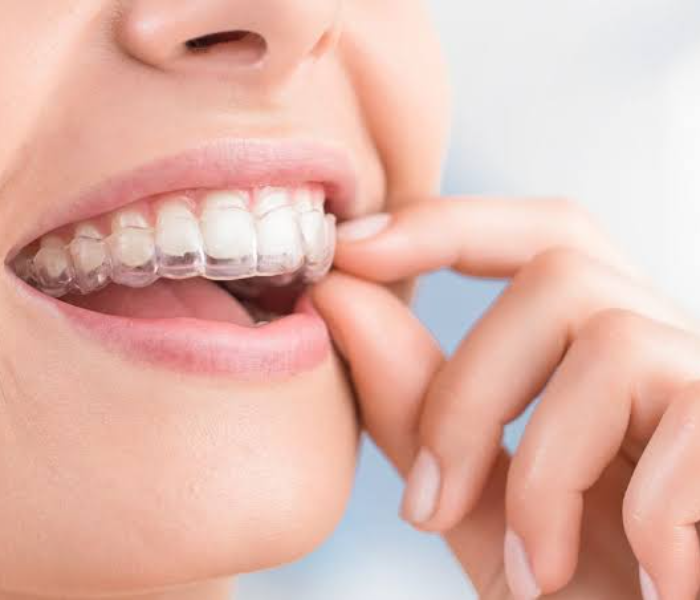
One of the most common reasons teeth shift after braces is not wearing a retainer as recommended. Once braces are removed, your teeth are not immediately fixed in their new positions. The surrounding bone, gums, and supporting tissues need time to adapt to the changes.
A retainer helps hold your teeth in place while these supporting structures stabilise. Skipping it for a few days or weeks may allow teeth to gradually move towards their previous positions.
There are different types of retainers, including removable retainers and fixed retainers. Your dentist or orthodontist will recommend the most suitable option based on your treatment and dental condition.
Remember: Retainers are not just an optional part of treatment. They play an important role in protecting the results of your orthodontic journey.
2. Your Teeth Naturally Change as You Age
Did you know that your teeth can continue shifting throughout adulthood? Even without braces, teeth naturally experience small positional changes over time.
As you age, changes in your jaw structure, facial muscles, and surrounding tissues can influence tooth alignment. The lower front teeth are particularly likely to develop crowding over the years.
This means that even if your teeth were perfectly aligned after braces, natural ageing can gradually affect their position. Wearing your retainer as advised and attending regular dental appointments can help manage these changes.
3. Wisdom Teeth and Changes in Your Mouth
Wisdom teeth are often blamed for shifting teeth after braces. However, their relationship with dental crowding is more complicated than many people think.
Wisdom teeth may create discomfort, become impacted, or develop in positions that affect neighbouring teeth. However, research does not establish them as the sole or primary cause of front-tooth crowding.
If you experience pain at the back of your mouth, swelling, or difficulty opening your jaw, consult a dentist. A clinical examination and dental X-rays, when necessary, can help determine whether your wisdom teeth require attention.
4. Changes in Your Bite Can Affect Tooth Alignment
Your bite plays an important role in keeping your teeth properly positioned. If your upper and lower teeth do not meet correctly, certain teeth may experience uneven pressure.
Habits such as teeth grinding, jaw clenching, and persistent tongue thrusting may also influence tooth positioning in some individuals.
For example, repeatedly pushing your tongue against your front teeth when swallowing can place unwanted pressure on them. Similarly, teeth grinding may contribute to changes in how your teeth meet.
Identifying and addressing these habits early can help protect your orthodontic results.
5. Gum Problems Can Cause Teeth to Move
Healthy gums and supporting bone are essential for keeping your teeth stable. When gum disease develops, the tissues and bone supporting your teeth may gradually become damaged.
As this support weakens, teeth can become loose, develop gaps, or change their positions.
Warning signs of gum problems include:
-
Bleeding gums while brushing or flossing.
-
Persistent bad breath.
-
Red, swollen, or tender gums.
-
Gaps developing between previously aligned teeth.
-
Teeth feeling loose or changing position.
If you notice these symptoms, do not ignore them. Early diagnosis and appropriate periodontal treatment can help prevent further damage.
6. Habits That May Contribute to Teeth Shifting
Certain everyday habits may gradually affect your dental alignment. These include nail biting, chewing on pens, using your teeth to open packages, and repeatedly placing pressure on particular teeth.
Although these habits may seem harmless, repeated pressure can affect your teeth and surrounding structures.
Maintaining good oral hygiene, avoiding harmful habits, and following your dentist's recommendations can make a significant difference in preserving your smile.
How Can You Prevent Your Teeth from Moving After Braces?
Keeping your teeth straight requires consistent care even after orthodontic treatment is complete. Here are some practical steps to follow:
Wear your retainer as prescribed: Follow your orthodontist's instructions regarding wearing time and replacement.
Maintain good oral hygiene: Brush twice daily, floss regularly, and schedule professional dental cleanings when recommended.
Attend regular dental check-ups: Routine visits help identify shifting teeth, gum problems, and bite changes before they become more complicated.
Avoid harmful oral habits: Stop nail biting, pen chewing, and other habits that place unnecessary pressure on your teeth.
Address teeth grinding: If you grind or clench your teeth, consult your dentist about suitable management options.
Do not ignore small changes: A slight gap or minor crowding may seem unimportant, but early intervention can often make correction simpler.
When Should You Visit a Dentist?
If you notice your teeth moving after braces, it is best to seek professional advice rather than trying to correct the problem yourself. Your dentist will assess your tooth alignment, retainer condition, gum health, and bite.
Depending on the extent of movement, treatment may involve adjusting or replacing your retainer, using clear aligners, or considering another orthodontic approach. If gum disease or another underlying dental condition is responsible, that issue will need to be addressed as well.
Choosing an experienced dental professional is important for identifying the actual cause instead of simply treating the visible movement.
Protect Your Straight Smile with Sky Dental Clinic
Your orthodontic journey does not end when your braces come off. Maintaining your results requires the right combination of retainers, healthy oral habits, and regular professional care.
At Sky Dental Clinic, patients can seek professional dental guidance to maintain their oral health and address concerns related to changing tooth alignment. If you are looking for a Dental clinic in Bangalore or consulting a Top Dentist in Bangalore, getting the right advice can help you make informed decisions about your smile.
You can also explore convenient locations, including the Best Dental clinic in Koramangala, a Dental clinic in RR Nagar, and a Dental clinic in Yelahanka.
At Sky Dental Clinic, the focus is on helping patients understand their dental concerns and explore appropriate treatment options. Whether you have noticed minor tooth movement or want advice on maintaining your post-braces results, a professional consultation is a sensible first step.
A straight smile is worth protecting. With consistent retainer use, good oral hygiene, and timely dental care, you can enjoy the confidence of your beautifully aligned teeth long after your braces are removed.


 ManyaSoft