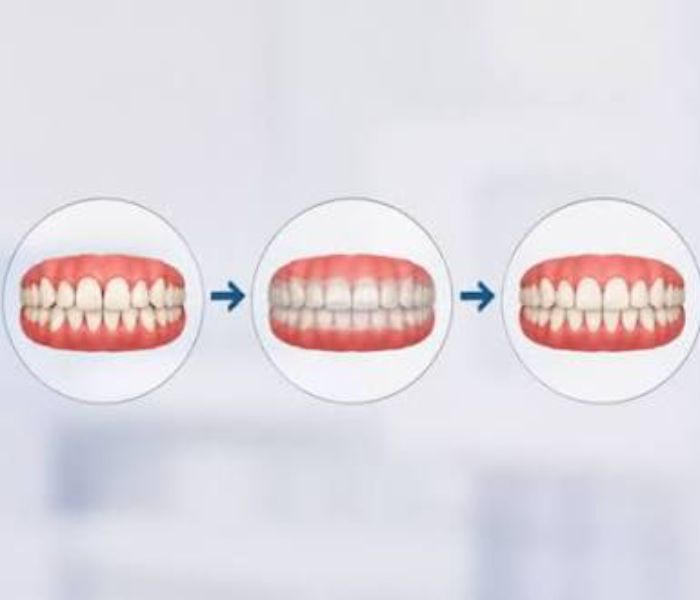
Have you ever wondered how a thin, transparent tray can gradually move your teeth into a straighter position? Clear aligners may look simple, but the science behind them is fascinating. These custom-made trays use carefully planned, gentle forces to guide teeth toward their desired positions over time.
Unlike traditional braces, which use brackets and wires, clear aligners offer a nearly invisible way to improve your smile. They are removable, convenient for everyday activities, and increasingly popular among adults and teenagers who want a discreet orthodontic treatment.
But how exactly do they work? Why do teeth move when you wear plastic trays? And how does your dentist know where each tooth should go?
Let's explore the science behind clear aligners and understand how this modern approach to orthodontics works.
1. The Science Begins Beneath Your Gums
Your teeth may look firmly fixed in your jaw, but they are not completely immovable. Each tooth is supported by surrounding bone and a thin layer of tissue called the periodontal ligament.
This ligament connects the tooth root to the surrounding bone and helps absorb pressure during chewing. It also plays an important role in orthodontic tooth movement.
When a clear aligner applies gentle, controlled pressure to a tooth, the periodontal ligament responds to that force. The body begins a natural process of bone remodelling.
On one side of the tooth, specialised cells help break down small amounts of bone. On the other side, cells build new bone to support the tooth in its new position.
This process allows teeth to move gradually and safely when treatment is properly planned and monitored.
In simple terms, clear aligners do not push teeth into place overnight. They guide a natural biological process that takes time.
2. How Do Clear Aligners Apply Pressure?
Each clear aligner is custom-made to fit your teeth at a particular stage of treatment. However, it is designed with tiny differences between your teeth's current positions and their planned positions.
When you wear the aligner, it fits snugly over your teeth. Its shape creates gentle pressure on selected teeth, encouraging them to move in specific directions.
For example, if a tooth is slightly rotated or crowded, the aligner can apply force intended to correct that position. The pressure is carefully planned to support gradual movement rather than sudden changes.
As your teeth move closer to the positions planned for that aligner, the tray gradually fits better. You then move to the next aligner in the series, which introduces the next stage of movement.
This sequence continues until your teeth reach the planned alignment, provided the teeth respond as expected and any necessary refinements are completed.
3. Digital Scanning Turns Your Smile Into a Treatment Plan
One of the most interesting aspects of clear aligner treatment happens before you even wear your first tray.
Your dentist examines your teeth, gums, bite and overall oral health. Depending on your needs, digital scans, photographs and X-rays may be used to assess your teeth and supporting structures.
The digital scan creates a detailed three-dimensional model of your teeth. Specialised treatment-planning software can then help map out the intended tooth movements in stages.
This digital plan helps the dental team determine how your teeth may move throughout treatment and how many aligners might be needed.
Some systems also provide a visual simulation of your anticipated smile progression. This can help you understand the proposed treatment, although the simulation is an estimate rather than a guarantee of the final result.
At Sky Dental Clinic, a dental consultation can help you understand whether clear aligners are appropriate for your teeth, bite and smile goals.
4. Why Do You Need to Change Aligners Regularly?
You might wonder why one aligner cannot simply straighten all your teeth.
The answer lies in how teeth respond to force. Tooth movement is gradual, and each aligner is designed for a particular stage of the treatment plan.
Once you have worn one tray for the prescribed period, the next tray introduces a new set of small changes. Repeating this process allows several planned movements to take place progressively.
Your dentist will tell you how often to change your aligners. The schedule varies depending on the treatment plan and your individual response.
Moving to the next tray too early can place unnecessary pressure on teeth that have not completed the intended movement. Staying in an aligner longer than instructed without professional advice can also disrupt your treatment schedule.
The key is to follow your dentist's instructions rather than rushing through the trays.
5. What Are Attachments, and Why Are They Sometimes Necessary?
Have you noticed that some people wear clear aligners with tiny tooth-coloured bumps attached to their teeth?
These are called attachments. They are usually made from tooth-coloured dental composite and are placed on selected teeth when needed.
Although aligners fit over the teeth, their smooth surface may not provide enough grip to achieve every type of movement on its own. Attachments give the aligners additional contact points, helping them apply forces in specific directions.
They may be useful for certain rotations, movements involving the tooth's root, or other complex adjustments.
Not everyone needs attachments, and their number and placement depend on the individual treatment plan.
Your dentist may also recommend small adjustments between the teeth, known as interproximal reduction, in selected cases where a little additional space is required. This should only be performed when clinically appropriate.
These techniques help explain why clear aligner treatment involves more than simply wearing transparent plastic trays.
6. How Many Hours Should You Wear Clear Aligners?
Even a carefully designed treatment plan depends on consistent wear.
Clear aligners generally need to be worn for around 20–22 hours a day, although your dentist will provide instructions specific to your treatment. They are typically removed for eating, drinking anything other than water, and cleaning your teeth.
Every time you leave the aligners out for too long, the teeth spend less time under the planned forces. Inconsistent wear may prevent an aligner from fitting properly and can delay progress.
For example, wearing your trays throughout the workday but frequently forgetting them in the evening may interfere with your treatment schedule.
To build a reliable routine:
- Put your aligners back in after meals and brushing.
- Carry your aligner case when travelling.
- Clean your teeth before reinserting the trays.
- Keep track of your prescribed aligner changes.
- Contact your dentist if a tray no longer fits properly or becomes damaged.
Consistency is one of the most important factors in helping clear aligners work as intended.
7. Are Clear Aligners Suitable for Everyone?
Clear aligners can treat many orthodontic concerns, including mild to moderate crowding, gaps and certain bite problems. However, they are not the best option for every patient or every type of tooth movement.
More complex cases may require additional techniques, fixed braces or a combination of treatments. The decision depends on factors such as tooth position, bite alignment, gum health, bone support and treatment goals.
Before beginning treatment, existing cavities or gum disease may need attention. Healthy teeth and gums provide a better foundation for orthodontic care.
If you are considering treatment, consulting a Top Dentist in Bangalore can help you understand your options and whether aligners are suitable for your needs.
You can also explore care options at the Best Dental clinic in Koramangala, a Dental clinic in RR Nagar, or a Dental clinic in Yelahanka, depending on the location that is convenient for you.
8. What Happens After Your Teeth Become Straight?
Your orthodontic journey does not end when you finish the final aligner.
Teeth naturally tend to shift over time, especially after orthodontic treatment. The surrounding bone and supporting tissues need time to adapt to the new tooth positions.
This is why retainers are important. Your dentist will recommend an appropriate retainer and explain how often you should wear it.
Depending on your case, you may receive a removable retainer or another suitable retention option. Following the recommended retention schedule helps maintain your results and reduces the risk of teeth moving back toward their previous positions.
Regular dental reviews also allow your dentist to monitor your oral health and the stability of your smile.
Conclusion: Small Movements, Big Changes
Clear aligners work through a combination of modern digital planning, carefully controlled pressure and the body's natural ability to remodel bone around the teeth.
Each tray represents a small step toward the planned result. When treatment is properly supervised and aligners are worn as prescribed, these gradual changes can improve tooth alignment and, in suitable cases, bite function.
The most important thing to remember is that successful treatment depends on more than the aligners themselves. Accurate diagnosis, a personalised treatment plan, consistent wear and regular dental supervision all play essential roles.
At Sky Dental Clinic, you can discuss your smile concerns with a dental professional and learn whether clear aligners are the right choice for you.
Ready to explore a straighter smile? Book a dental consultation to understand your options, expected treatment timeline and the best approach for your individual needs.


 ManyaSoft